A Convenient Daily Blend Inspired by Plant-Based Wellness Research
This plant-based daily blend brings together familiar wellness ingredients in a simple format that can fit into a morning routine.

For millions of Americans navigating the complex world of health and nutrition, finding the right daily supplement can feel overwhelming. Between conflicting claims and an ever-growing number of options, it’s no wonder that many people have become skeptical.
But a quiet shift is underway. Rather than chasing dramatic results through extreme measures, more people are turning to thoughtful, plant-based approaches that work alongside a balanced diet and active lifestyle. At the center of this trend: botanical blends that draw on centuries of traditional use.
One formula in particular has been getting attention — a liquid dietary supplement called Jelly Burn. Marketed as “Daily Health Management Support,” this dropper-bottle blend combines six commonly studied ingredients traditionally associated with metabolic health.
The Six Categories Appearing Most Consistently in the Research
The pattern discussed in metabolic research is not usually limited to one food or one habit. It can compound across a typical day, with each category adding to a cumulative metabolic load many people may not notice.
Breakfast Cereals
Even “heart healthy” and “whole grain” varieties may contain fast-digesting carbohydrates and added sugar, especially when eaten above the labeled serving size.
Morning glucose impactJuices & Smoothies
Fruit juice and some bottled smoothies can deliver concentrated sugar without the same fiber structure found in whole fruit.
Liquid sugar loadFlavored Coffee
Sweetened creamers and flavored coffee drinks can quietly add sugar during the morning window, when many people are trying to stay “clean.”
Hidden AM caloriesDiet Sodas & Sweeteners
Zero-calorie sweeteners are being studied for their relationship with appetite signaling, taste conditioning, and gut microbiome patterns.
Appetite signalingProtein & Granola Bars
Some bars contain useful protein, but also carry added sugars or syrups that may work against the satiety benefits many people expect.
Label vs. realityLow-Fat Dairy & Snacks
When fat is removed, sugar or starch is often added for taste and texture, which can change how satisfying the food feels.
Satiety tradeoffResearch on metabolic response suggests that liquid sugar and refined carbohydrates can affect appetite and glucose patterns differently than whole foods with intact fiber.
The Science Behind the Ingredients
What makes this formula noteworthy isn’t any single ingredient, but how it brings together multiple botanicals into one convenient daily serving. Each component has been the subject of published research, though it’s important to note that these studies examined individual ingredients — not the product itself.

The 6 Key Ingredients
Sodium Bicarbonate
Found naturally in baking soda, sodium bicarbonate has been studied for its role in supporting physical performance and exercise capacity — factors closely tied to calorie expenditure and metabolic activity during training sessions.
Collagen Peptides
A key structural protein found in gelatin, collagen peptides have been researched for their relationship with satiety signaling, lean muscle support, and the body’s natural protein utilization processes as part of a weight-conscious lifestyle.
Glycine
An amino acid naturally present in gelatin, glycine has been discussed in metabolic wellness research for its potential role in supporting restful sleep quality — a foundational factor in healthy weight management and hormonal balance.
Oleic Acid (Omega-9)
The dominant monounsaturated fatty acid in olive oil, oleic acid has been studied for its relationship with satiety hormones, healthy inflammatory response, and overall metabolic wellness as part of a balanced dietary pattern.
Polyphenols & Oleuropein
Naturally occurring plant compounds found in extra virgin olive oil, polyphenols like oleuropein have been researched for their antioxidant properties and their relationship with energy metabolism and healthy body composition.
*These ingredient descriptions are for educational purposes. Jelly Burn is not intended to diagnose, treat, cure, or prevent any disease. Individual results vary.
“What drew me to this formula was its simplicity — six straightforward ingredients I could actually research and understand, combined into something I can take in seconds.”
— Anonymous customer review
A Convenient Format for Busy Lives
One of the practical advantages of the Jelly Burn formula is its liquid delivery system. Presented in amber glass dropper bottles, the supplement is designed for easy daily use — no large capsules to swallow, no elaborate preparation routine. Just take the recommended serving with a meal.

Consistency, as any nutrition expert will tell you, is a key factor when incorporating any supplement into a wellness routine. The liquid format makes it easier for people to stay consistent day after day.
How It Fits Into a Wellness Routine
It’s worth emphasizing that no supplement replaces the fundamentals: a balanced diet, regular physical activity, adequate sleep, and stress management. The makers of Jelly Burn are transparent about this — the product is designed to complement healthy habits, not substitute for them.
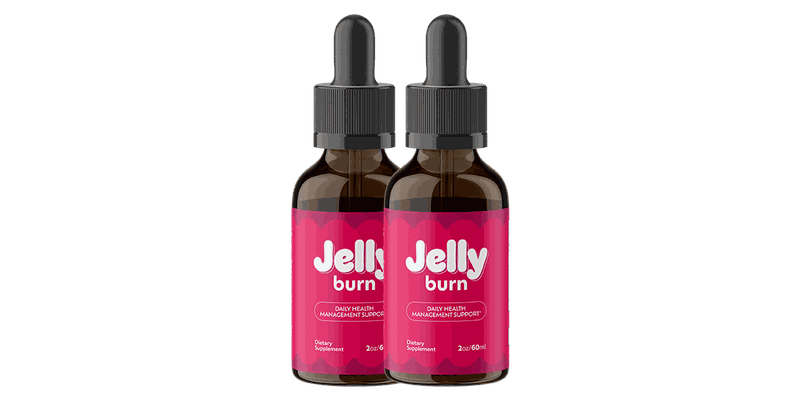
Jelly Burn
A plant-based liquid formula with six commonly studied ingredients designed to complement a daily wellness routine and healthy lifestyle.
✦ 60-Day Money-Back GuaranteeChoose Your Plan
Free US shipping on all orders.
*Individual results may vary. Not intended to diagnose, treat, cure, or prevent any disease. Consult your physician before starting any supplement.